

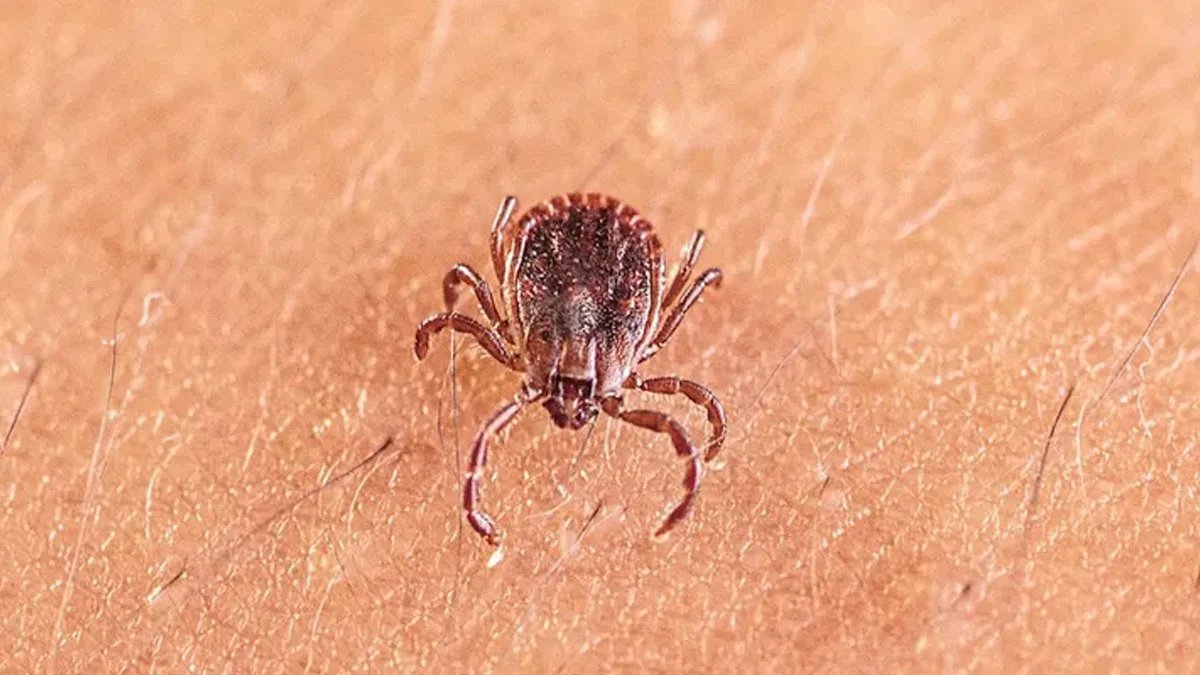
New tick-born virus that triggers a mysterious flu like illness that causes fatigue and intestinal upset is identified by scientists in China, for the first time.
Thousands of patients who came to hospital in mysterious conditions with fevers are tested, following a recent encounter with the blood feeding insect. This new finding helps to solve problems of unexplained fever symptoms with already existing vector-borne diagnostics.
Patients infected show early symptoms much like common colds and flus; such as sudden fever spikes, aching muscles, excruciating headaches and persistent fatigue.
They have also been reported to suffer gastrointestinal issues such as nausea, vomiting and an uncomfortable sensation in their abdomen.
Although there are clear signs and symptoms of the infection to be identified through symptoms displayed through clinical assessment, the viral element could not initially be seen through existing diagnostic testing in this field until deep genome sequences were taken from the sample of the affected patients.
Epidemiological studies indicate that this novel virus uses local ticks as their main hosts to spread to humans when humans interact with their environment, as has happened with existing diseases which use ticks as their primary mode of transmission.
Medical teams prescribed antiviral and antibacterial treatments and a full support care service once the virus itself was diagnosed via the virus’s unique genome.
The infected individuals responded positively to this treatment plan and after the following two weeks the viral illness resolved itself fully with no long-term ill effects.
Public health experts are calling for health organizations all around the world to keep up heightened surveillance programs in place, and raise doctor’s awareness when people are experiencing fevers, for people whom have suffered recent tick bites.
These types of individuals have been advised that they may increase their risk through participating in outdoor sports or walking through areas of the country which are densely populated by woodland, gras or even low shrub; through wearing protective clothing; applying a repellent and being vigilant throughout the duration of their activities to prevent contracting this new disease.