New US Sanctions Squeeze Iran’s Economy; Tehran Says It Can Weather the Pressure
Iran is facing a fresh round of US economic sanctions aimed at further straining its already struggling economy. US Treasury Secretary Scott Bessent announced the measures on August 24, warning that countries continuing to trade with Iran could lose access to the US dollar-based global financial system. Washington, however, has not yet released a list…
Iran is facing a fresh round of US economic sanctions aimed at further straining its already struggling economy. US Treasury Secretary Scott Bessent announced the measures on August 24, warning that countries continuing to trade with Iran could lose access to the US dollar-based global financial system. Washington, however, has not yet released a list of targeted nations or set a firm timeline for enforcement.
Shopkeepers in the southern port city of Bandar Abbas say the impact is already being felt in daily life. They report that a weakening rial and mounting trade barriers are driving up the cost of imported goods, squeezing household budgets. “Sanctions do hurt, but we’re Iranians — we know how to find our way through them,” said Qasim Shuja, a homeware trader. Clothing merchant Omid Bagapour Daryaei was more critical of officials, saying a responsible leader is one who stands in the field with ordinary people rather than staying detached from their struggles.
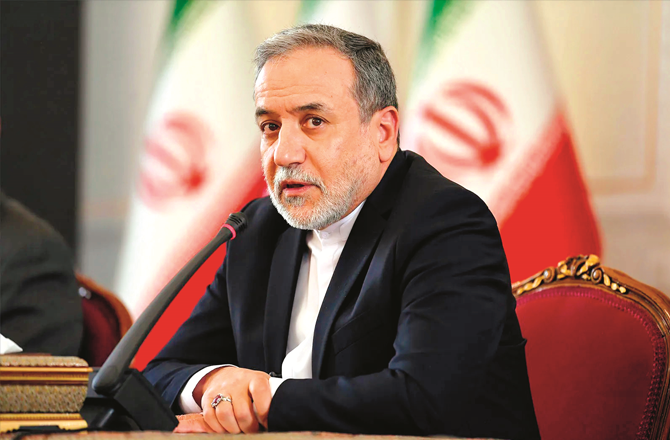
For its part, the Tehran government insists it can absorb the pressure, expressing confidence that major trading partners such as China and Russia will continue doing business with Iran despite Washington’s warnings.
Compounding the economic strain is the ongoing crisis in the Strait of Hormuz, a critical corridor for global maritime trade. On Tuesday, Iran and Oman discussed plans for a temporary alternate shipping route through the strait and the clearing of naval mines from the area. “The Strait of Hormuz is our home. Until we allow it and cooperate, it should remain closed,” Shuja said, adding that the world has long benefited from Iranian oil and must now deal with Tehran fairly.
Analysts note that because a significant share of the world’s energy supply passes through the Strait of Hormuz, the fallout from this standoff is unlikely to stay confined to Iran — it could ripple across global markets in the days ahead.