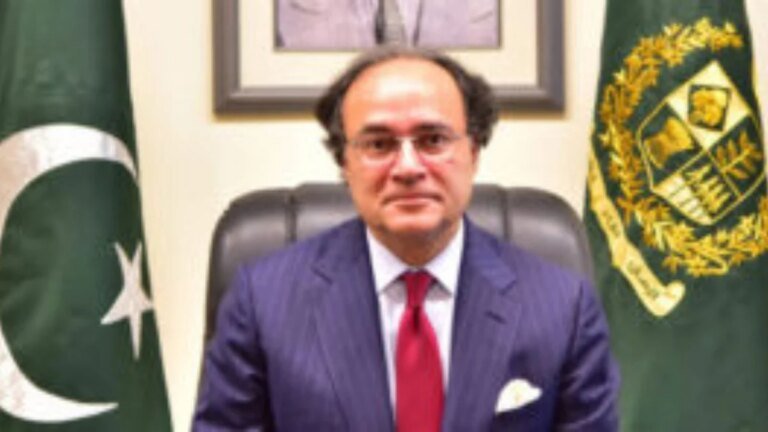

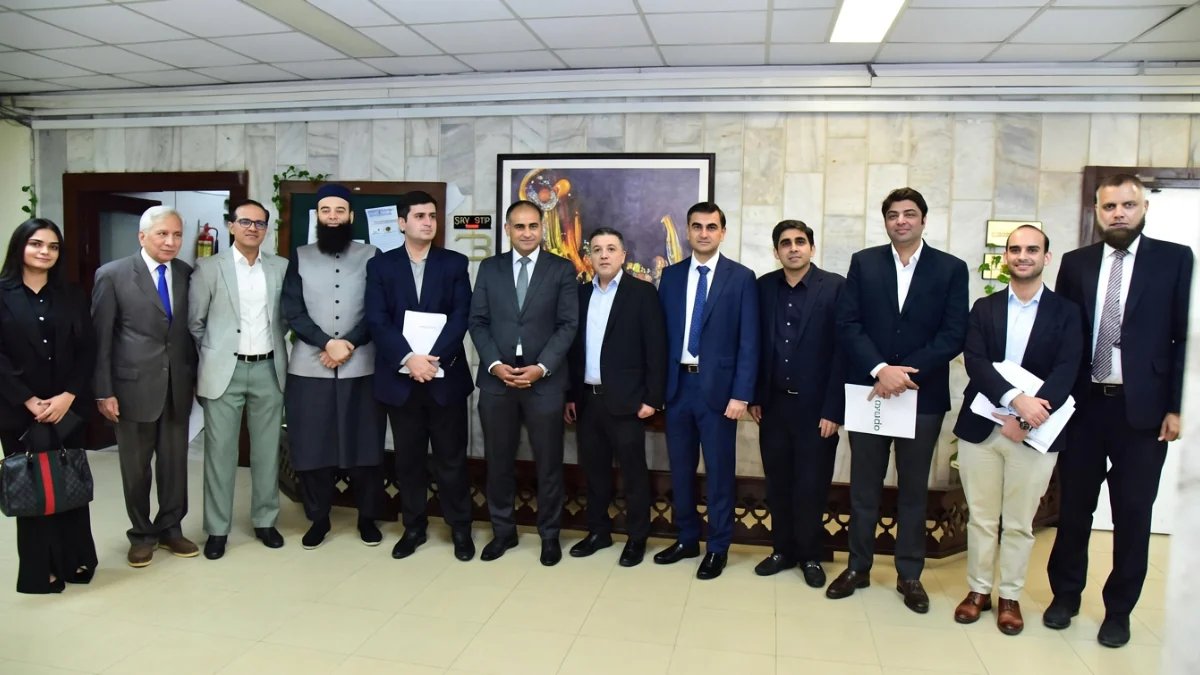
ISLAMABAD – At the Ministry of Finance, Mr. Bilal Azhar Kayani, the Minister of State for Finance and Railways, met with a group of recently elected members of the All-Pakistan Textile Mills Association [APTMA], headed by Mr. Asad Shafi, the organisation’s chairman.
The delegation asked the Minister to discuss the main problems facing the textile and apparel industry, provide input on the business climate, and offer ideas to improve the sector’s export performance and competitiveness.
The minister greeted and wished the newly elected officials a successful term in office. The APTMA delegation recognised recent initiatives announced in the most recent federal budget, such as lower export taxes and the removal of the super tax for SMEs and mid-sized corporations, and expressed gratitude for the government’s efforts to make doing business easier.
The attendees talked about ways to further enhance the industry’s working environment as well as important issues affecting textile production, investment, and exports.
The Federal Board of Revenue’s [FBR] initiatives concerning the Production Monitoring System [PMS] and the accessibility and use of financing options for exporters were also discussed. The terms and scope of the Long-Term Export Growth Financing Facility [LTEGFF] and the Export Finance Scheme [EFS] were given special consideration.
APTMA offered recommendations for improving these facilities’ accessibility and responsiveness to textile exporters’ finance needs, supporting both long-term investment and working capital needs.
The participants also exchanged views on promoting Pakistani textile brands in international markets and enabling local manufacturers to move further up the value chain through brand development and direct engagement with overseas consumers.
The Minister acknowledged the importance of these initiatives in enhancing value addition and strengthening Pakistan’s position in global textile and apparel markets.
The Minister of State acknowledged the textile industry’s substantial contribution to the nation’s exports and economic activities and expressed gratitude for APTMA’s positive involvement. He emphasized how crucial it is to improve the sector’s performance by boosting export markets, promoting investment, and enhancing competitiveness.
With a common goal of bolstering the industry and fostering long-term export-led growth, all parties reaffirmed their commitment to ongoing coordination between the public and private sectors and decided to continue close and frequent interaction on issues pertaining to the textile sector.