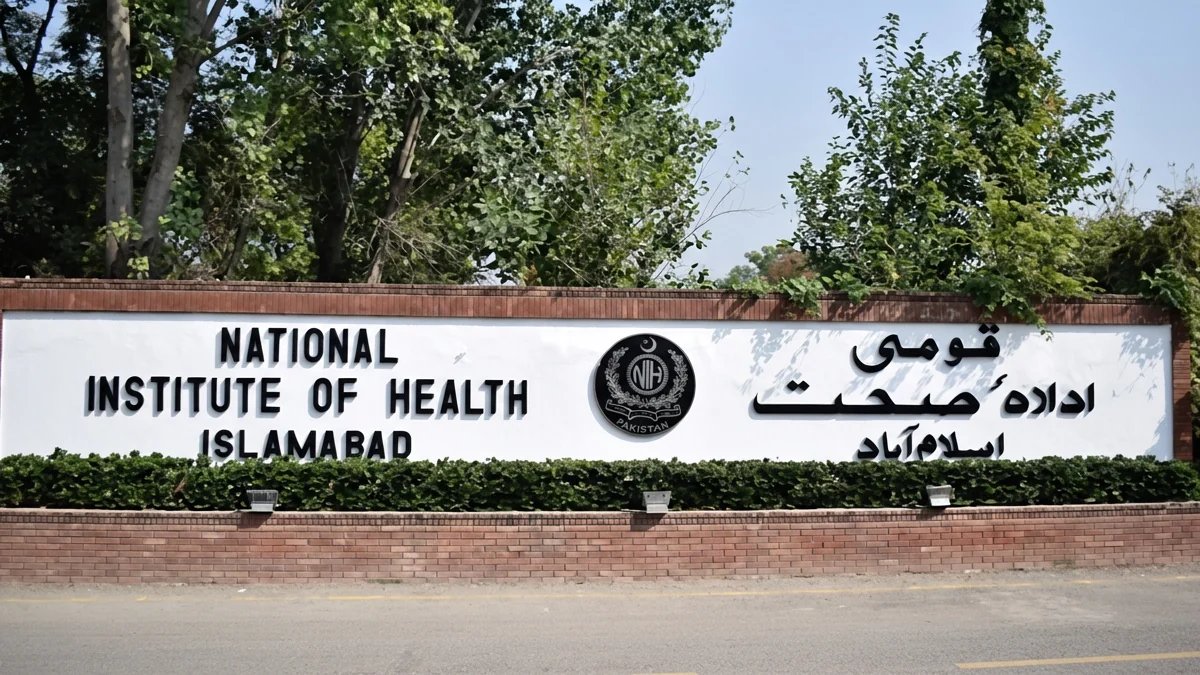
ISLAMABAD – In three nationwide public health advisories, the National Institutes of Health (NIH) has urged federal and provincial health authorities to strengthen disease surveillance, immunization, and healthcare readiness against vaccine-preventable diseases, winter smog, and seasonal influenza.
The NIH’s Center for Disease Control (CDC) released the warnings on Saturday. They address health risks associated with smog and precautionary measures, seasonal influenza prevention and control for 2026–2027, and vaccine-preventable disease prevention and control.
While the spread of diseases, including measles, diphtheria, pertussis, and tetanus, continued to be a public health concern, the NIH cautioned that decreasing temperatures and shifting disease patterns could raise respiratory and cardiovascular health risks.
Under the advisories, federal and provincial health departments, hospitals, and laboratories have been urged to strengthen routine and catch-up immunization to address vaccination gaps and improve protection against preventable diseases.
The guidelines also call for early detection of suspected cases, timely laboratory confirmation, standardized clinical management, and enhanced hospital preparedness to handle potential increases in patient numbers.
In order to encourage preventive actions against seasonal diseases and health risks associated with smog, health officials have also been instructed to increase public awareness and risk communication.
The National Institutes of Health has asked all relevant health authorities and stakeholders around the country to immediately execute the proposed steps to reduce winter-related health risks and protect public health.