

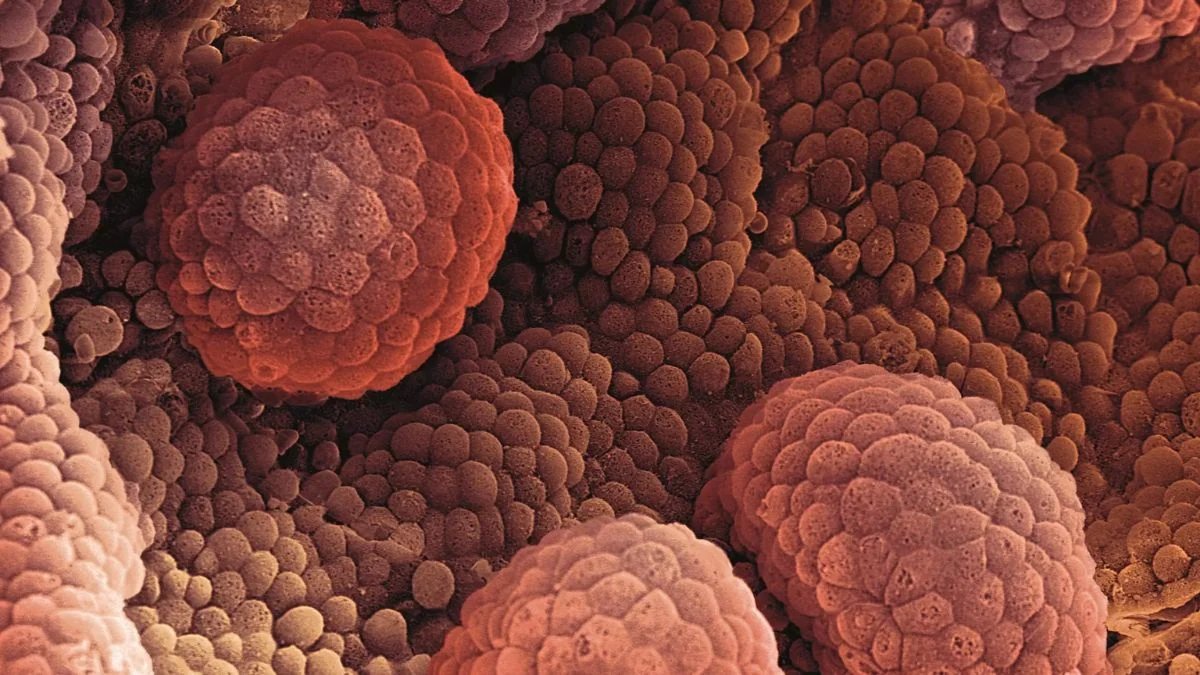
Natural killer cells not only destroy tumor cells on contact but also help coordinate and activate other parts of the immune system to fight cancer, according to a scientific review published in Nature Cancer.
Dr. Nicholas D. Huntington and his team at Monash University and the University of Melbourne reviewed recent studies on natural killer (NK) cells and found that these cells are key to starting and maintaining inflammation inside tumors. Unlike T cells, NK cells can recognize and kill cancer cells without needing prior exposure, and they release chemical signals that attract dendritic cells to the tumor.
Dendritic cells pick up pieces of tumors and show them to T cells, which starts a focused immune attack. When dendritic cells are activated, they make interleukin-12 (IL-12), which causes NK cells to release interferon-gamma. This feedback loop improves antigen presentation and brings more immune cells into the response.
But in established solid tumors, this coordination often fails. NK cells can remove cancer cells well in the bloodstream, but solid tumors use up oxygen and glucose, build up waste products, and send out signals that weaken NK cells and interfere with their communication with dendritic cells.
Huntington said that fixing these signaling pathways could help overcome resistance to current immunotherapies. Researchers are looking for ways to rebuild this teamwork instead of just making NK cells more aggressive. In one clinical trial for advanced melanoma, a combination of localized IL-12 gene therapy and an immune checkpoint inhibitor led to a 41% response rate, with complete responses in 36% of patients, and was well tolerated.
Other clinical studies are testing FLT3 ligand, which helps dendritic cells grow and survive, together with melanoma vaccines. They are also exploring ways to increase NK cell signals that attract dendritic cells.
The Australian researchers concluded that future cancer treatments might work better by coordinating NK cells, dendritic cells, and T cells, rather than focusing on just one type of cell.