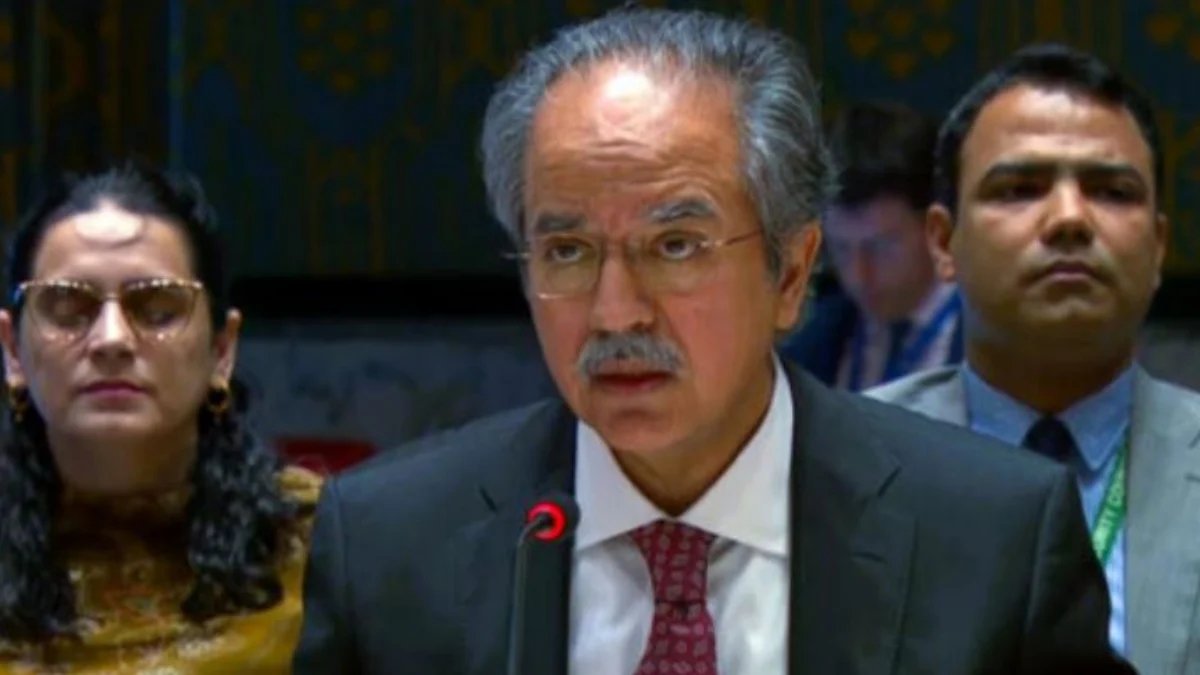
Pakistan has called for a strengthening of UN Peacekeeping Operations, emphasizing that the integration of advanced technologies must be utilized to modernize mandates, enhance safety, and boost operational efficiency without diminishing the physical human presence on the ground.
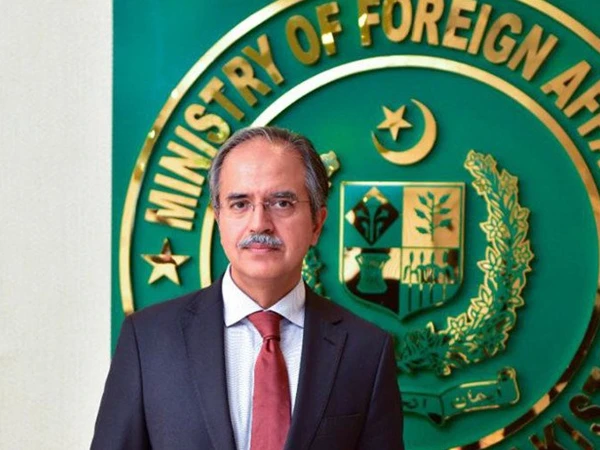
Speaking at the UN Security Council debate on Peacekeeping Operations, Ambassador Asim Iftikhar Ahmad, permanent representative of Pakistan to the UN, warned that peacekeepers are operating in increasingly complex and hostile environments with expanding tasks but shrinking resources.
He added that peacekeeping, a flagship UN activity, requires political support, credible mandates, sustainable resources, adequate capabilities, host-State cooperation and sustained commitment from the wider membership.
“For over six decades, Pakistan has remained amongst the largest troop contributors to UN peacekeeping,” the Pakistani envoy said, noting that more than 170,000 Pakistanis have served the UN, 183 of whom have made “the ultimate sacrifice in the cause of peace”. Pakistan is also host to United Nations Military Observer Group in India and Pakistan (UNMOGIP), which is mandated to observe ceasefire in Jammu and Kashmir.
Recalling Pakistan’s efforts in the Council to adopt presidential statements and resolutions concerning peacekeeping over the past 20 years, Ambassador Asim Ahmad said that this “experience gives us a practical appreciation of what peacekeeping requires”.
Peacekeeping today “is actually under real pressure”, he said, noting that no new mission has been established since 2014 and several have closed amidst intensified political and financial constraints. This should not, however, be misread as declining support for peacekeeping, which has moved through “cycles of expansion and retrenchment” since the 1960s.
As peacekeeping realigns, “focused mandates must mean better peacekeeping, not less peacekeeping”, he stressed. “We must not start with a financial ceiling and then shrink the mission to fit it.”
The international community “should be careful not to dismantle the very strengths we may need again tomorrow”, the Pakistani envoy added.
At the outset, UN Secretary-General Antonio Guterres argued that peacekeeping must remain a political tool that supports, rather than replaces, political solutions.
He warned that conflicts are becoming more complex, with fewer peace agreements, growing attacks on civilians and peacekeepers, emerging technologies such as drones and AI-driven disinformation, and shrinking resources.
Stressing that “the ground has shifted. Too often, our mandates have not,” the UN chief called for a comprehensive reset of UN peace operations.
Guterres outlined five priorities: putting peacemaking first, building stronger partnerships with host States, adapting mandates to current realities, empowering peace operations with adequate resources and technology, and strengthening cooperation with regional organizations.
He emphasized that “we cannot keep peace where there is no peace to keep” and urged Security Council unity in preventing conflicts and supporting political solutions.
Concluding that “peace cannot be imported,” the UN chief called for renewed investment in peace, accountability, and collective action to create lasting pathways to peace.