

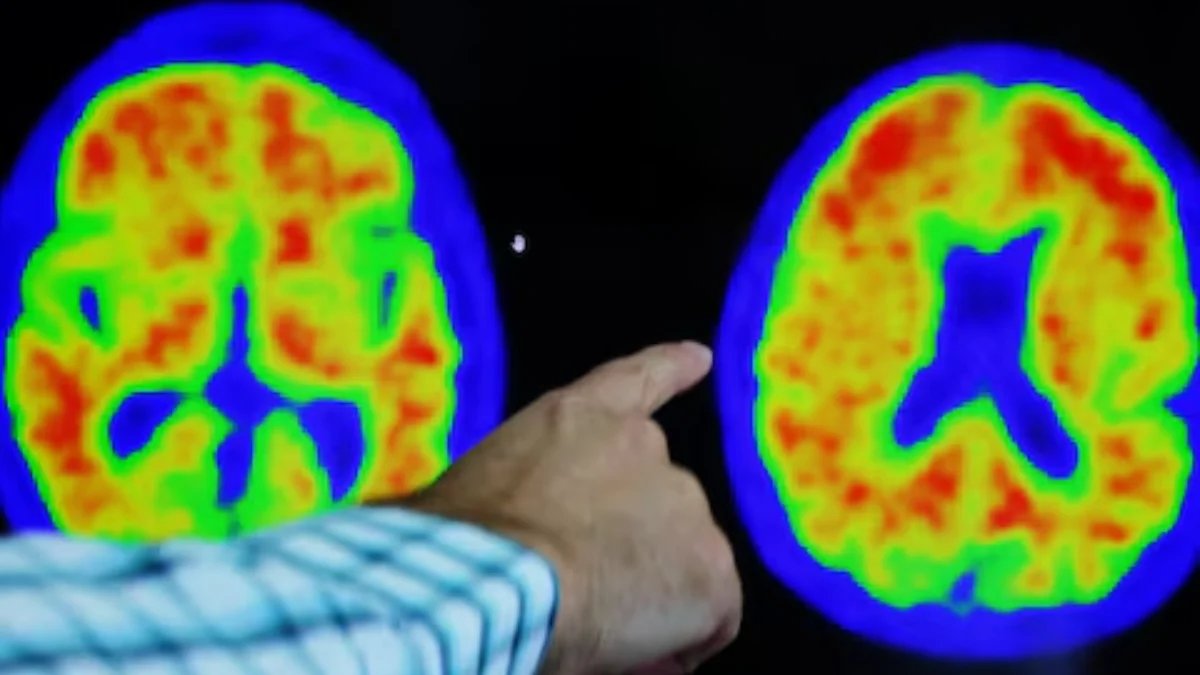
Scientists studying the strongest genetic risk factor for Alzheimer’s disease say they have new clues to how it works and how its damaging effects on the brain could potentially be reversed.
Doctors have long known that the brain’s blood vessels deteriorate with Alzheimer’s disease, particularly in people with the APOE4 gene, but the underlying mechanisms have remained unclear.
In fact, APOE4 damages the brain’s blood vessels and promotes the buildup of abnormal proteins, researchers at the Icahn School of Medicine at Mount Sinai in New York have discovered.
It does so by causing pericytes, cells that normally stabilize small blood vessels, to transform into scar-forming cells that thicken the vessels and increase the accumulation of abnormal, misfolded protein clumps known as amyloid, the target of current treatments. These conditions can compromise the flow of blood to the brain, leading to brain damage.
Blocking a protein called TGF-beta that is involved in tissue cell activity and repair protected the pericytes and reversed APOE4-associated cerebrovascular degeneration in mice, the researchers also discovered.
Their findings are reported in two separate papers in Cell, and Cell Stem Cell.
“Damage to the brain’s blood vessels is not simply a late consequence of Alzheimer’s disease; it is a biologically active process caused by APOE4 that may be reversible,” Joel Blanchard, who co-authored both papers, said in a statement.
“These findings reveal new therapeutic targets for preserving vascular function and limiting amyloid accumulation.”