

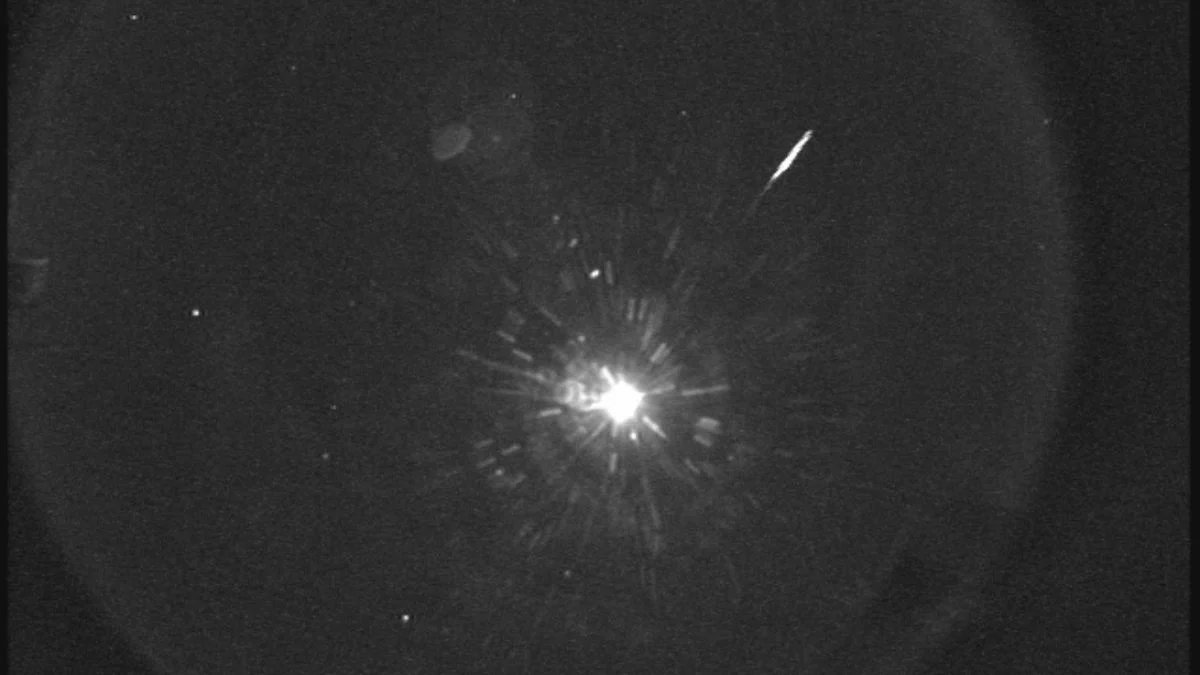
The Orionid meteor shower in 2026 will reach its peak overnight from October 21 to 22, giving stargazers a chance to see bright meteors streaking across the night sky.
This annual event occurs when Earth passes through debris left behind by Halley’s Comet.
According to astronomers, the Orionids can produce up to 20 meteors per hour if viewing conditions are ideal.
However, the bright Moon this year may make it harder to see the meteor shower in October.
The Orionids are active from October 2 to November 7, with the best viewing expected on the night of October 21 and early morning of October 22.
Stargazers might also see meteors on nearby nights, depending on the weather and how clear the sky is.
You don’t need a telescope or binoculars to see the shower, so it’s easy for both amateur astronomers and casual skywatchers to enjoy.
The best time to watch the Orionid meteor shower is usually after midnight and before dawn, when the radiant point in the constellation Orion is higher in the sky.
But moonlight will reduce visibility for much of the peak night.
Skywatchers are best off finding a dark spot away from city lights and giving their eyes about 20 to 30 minutes to adjust to the darkness.
The Orionids occur when tiny particles from Halley’s Comet enter Earth’s atmosphere at about 66 kilometers per second.
Friction and compression heat the air around these particles, creating the glowing streaks we call shooting stars.
Halley’s Comet last passed through the inner solar system in 1986 and is expected to return in 2061.
Even with the Moon’s interference, the Orionid meteor shower is still a highlight for astronomy fans in October.