
By Maya Gangji and Dr. Shelina Bhamani: “Protect your eyes; they’re the only pair you’ve got!” Most of us grew up hearing this from our elders. It deserves a place in our homes and classrooms again. We spend so much time worrying about how long our children spend on screens, but how often do we consider how they spend this time?.
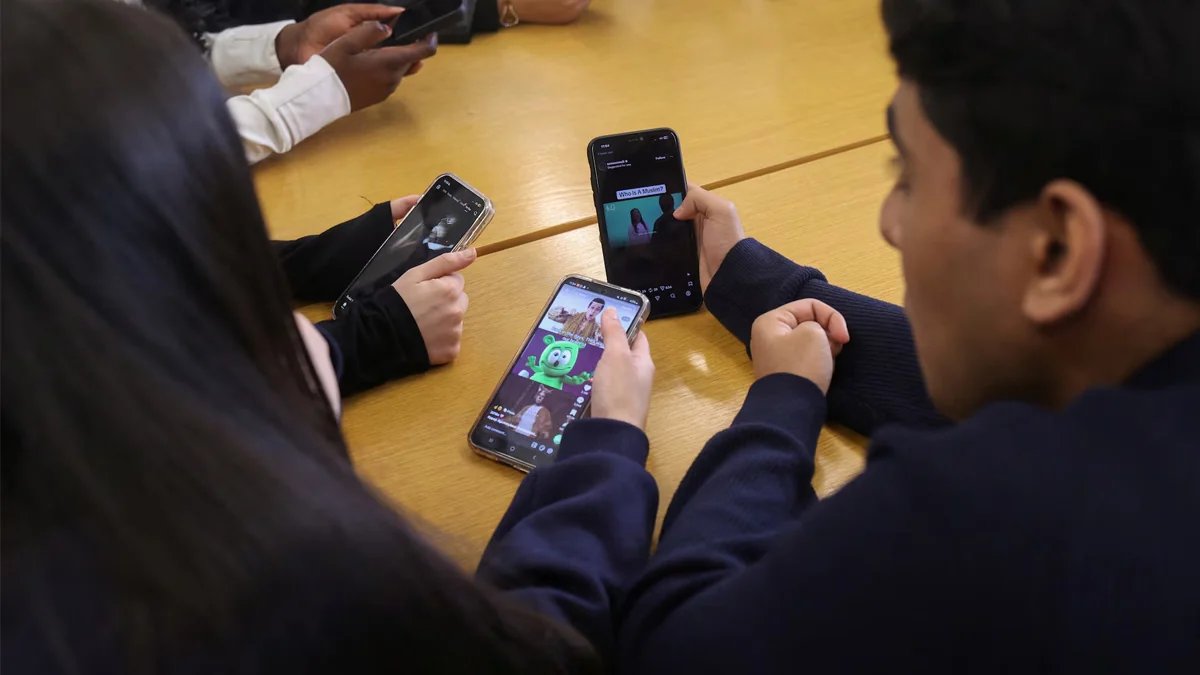
A phone held inches away from the face, a tablet used in a dark room, hunched posture or hours spent looking down at a screen. Sound familiar? A phone handed to a toddler at dinner to keep the table quiet, or cartoons watched in bed after the lights are switched off, are now ordinary scenes in many households. We count the hours and miss the habits.
The first problem is eye strain. When concentrating on screens, children tend to blink less frequently, so the eyes dry out. The result is dry or irritated eyes, headaches, temporary blurred vision and eye fatigue. The body pays too. When children use devices, they often slouch, bend their necks forward or lie down with the screens directly above their faces. Hold that position for an afternoon and the neck and shoulders ache. These symptoms usually settle after a break.
The longer-term concern is childhood myopia, also known as near-sightedness. Myopia causes distant objects to appear blurry while nearby objects remain clear. Long hours of close screen use and too little time outdoors are associated with a higher risk, and recent studies from several parts of the world have raised concern about myopia among school going children and adolescents. However, screens alone cannot take all the blame, as genetics and environmental factors do also play important roles. What matters for us as parents and teachers is the consequence. A child who cannot read the board does not say so; she simply stops trying. Poor vision can quietly turn into poor marks, a loss of interest in school and, over time, fewer choices in life.
This is why noticing matters. Young children may not recognize that something is wrong with their vision or know how to communicate it. They assume everyone sees the way they do. Watch for frequent eye rubbing, excessive blinking, headaches or difficulty reading and seeing the blackboard. Some children may tilt their heads, cover one eye or avoid activities requiring visual focus, such as reading, drawing or completing puzzles. Teachers often see this before parents do: the child who keeps asking to sit on the front bench, who copies from a classmate’s notebook rather than the board, or who calls a reading activity boring. A short note to the family suggesting an eye examination can change that child’s year. While these behaviours are not always caused by screens, persistent symptoms should never be ignored.
Protecting children’s eyes does not mean eliminating technology completely. It begins with small changes at home.
- Keep the device away from the face. Use a larger screen where possible, and remember that the larger the screen, the further away it should be.
- Check how your child sits. Children should sit with their backs supported, shoulders relaxed and screens positioned slightly below eye level rather than lying flat with a phone above their nose.
- Build in breaks. A simple habit is to look at something about 20 feet away for at least 20 seconds after every 20 minutes of reading or screen work. Ask children to stand, stretch and blink.
- Turn the lights on. Don’t use bright screens in completely dark rooms. Lower the brightness and reduce glare.
- Send them outside. Storytelling, drawing, dancing, imaginative play and safe outdoor time in the courtyard, the park or the street outside the house give the eyes distance and the body movement.
Most importantly, watch your own phone. Don’t expect children to follow screen rules that you don’t follow yourself. If we scroll through dinner, no rule we set will hold. Mealtimes without devices, phones put away before bedtime and watching content together with our children are easier to keep when the whole family follows them.
Schools carry part of this responsibility. As tablets, smartboards and digital homework become routine, teachers can schedule short breaks during screen based lessons, check that children are not hunched over devices, protect outdoor play time instead of cutting it for extra classwork, and share what they notice with parents. School leaders can make vision checks part of the annual health routine rather than waiting for a complaint.
Technology is here to stay, and screens will continue to shape children’s experiences in and interactions with the world. The solution is not to fear technology or to eliminate its usage, but to help children develop healthier relationships with it.
The next time your child picks up a phone or tablet, do not just ask how long they have been using it. Look at how they’re sitting, how close they’re holding it and when they last took a break. Protecting little eyes begins with paying attention to the little things.
Maya Gangji is a Global Engagement Office Intern working in ECD PREP with Dr. Shelina Bhamani, who is an Associate Professor, Department of Obstetrics and Gynaecology, Aga Khan University, and leads ECD PREP.