
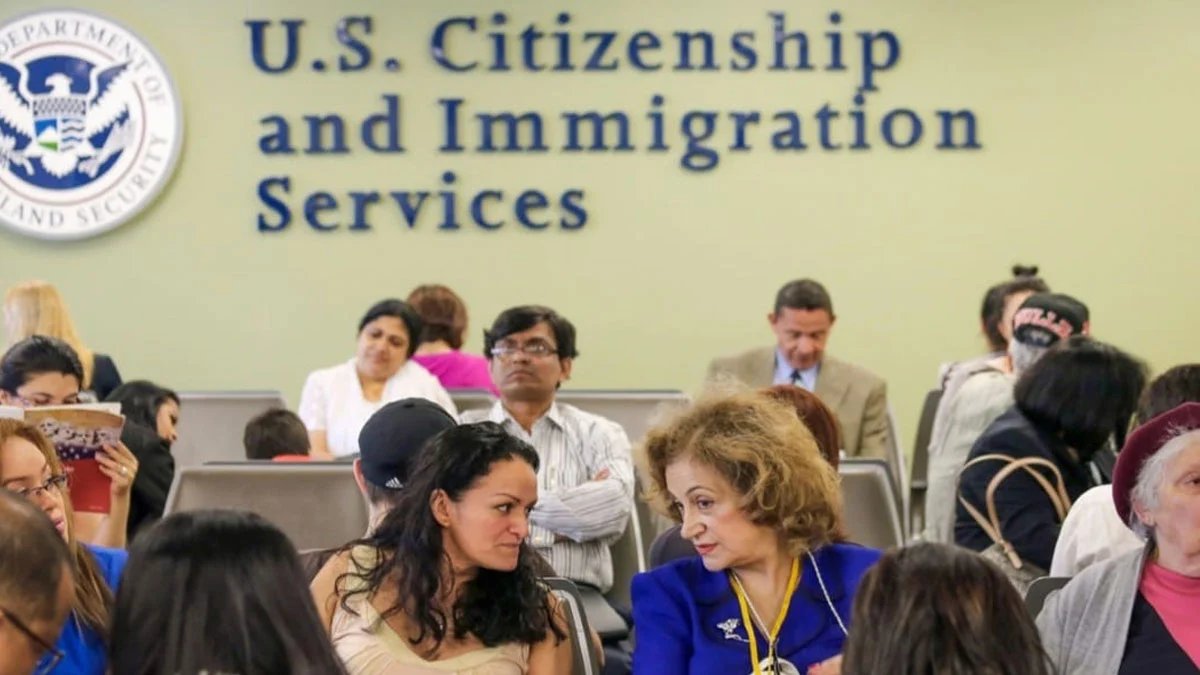
US Citizenship and Immigration Services (USCIS) has reinstated the use of neighborhood and workplace investigations as a tool in the naturalization process, ending a broad waiver that had kept the practice largely inactive for decades.
Under the renewed policy, USCIS officers may investigate information about certain applicants by contacting people who know them, including neighbors, employers, co-workers and business associates. The investigations can be used to verify information submitted in a citizenship application and to help determine whether an applicant meets the legal requirements for naturalization.
The development has attracted attention among immigration attorneys and citizenship applicants because the practice had largely disappeared from routine naturalization processing. Although the authority remained in US immigration law, the government had generally waived these investigations for many years and relied heavily on fingerprinting, criminal-history checks and other background-screening procedures.
What are neighborhood investigations?
Neighborhood investigations are designed to give USCIS another way to verify an applicant’s history and character.
The investigations can cover an applicant’s residence, employment and business activities, including the five-year period preceding the filing of the naturalization application. USCIS may seek information from people who have personal knowledge of the applicant.
The agency can use the information to evaluate issues such as an applicant’s continuous residence, good moral character, attachment to the principles of the US Constitution and disposition toward the good order and happiness of the United States.
Not every applicant will automatically face an investigation
The policy does not mean that every person applying for US citizenship will necessarily receive a visit from USCIS officers or have their neighbors interviewed.
Instead, USCIS is treating neighborhood investigations as a discretionary, case-by-case tool. Officers can determine whether an investigation is necessary based on the circumstances of an individual application and the evidence available to the agency.
USCIS said the renewed use of the authority is intended to help ensure that people seeking naturalization satisfy the statutory requirements for citizenship.
Applicants may be asked for additional evidence
The renewed approach could also make supporting evidence from people who know an applicant more relevant.
USCIS may consider testimonial or character-reference letters from neighbors, employers, co-workers or business associates when reviewing an application. Providing credible evidence about an applicant’s residence, employment and character may help USCIS determine whether a separate investigation is necessary in a particular case.
A decades-old requirement
The legal basis for these investigations comes from Section 335(a) of the Immigration and Nationality Act (INA). The provision authorizes the government to investigate an applicant’s residence, employment and business history before naturalization.
The authority was not newly created by the latest policy. Rather, USCIS has moved to make greater use of an existing statutory provision after years in which neighborhood investigations were generally waived.
Immigration experts say the practice had largely fallen out of use by the early 1990s, while fingerprinting and federal background checks became the primary tools for screening naturalization applicants.
What it could mean for citizenship applicants
For applicants, the change means that USCIS may conduct a more detailed review of information surrounding their personal history.
Applicants could face questions concerning where they have lived, where they have worked and their interactions with people in their communities. In cases where USCIS determines that additional investigation is necessary, the process could potentially require more evidence or additional time before a naturalization application is adjudicated.
The renewed policy therefore represents an additional layer of scrutiny in the citizenship process, although it does not establish that every naturalization applicant will automatically undergo a neighborhood investigation.
USCIS’s move comes as the agency has placed greater emphasis on thoroughly evaluating whether applicants meet the statutory requirements for US citizenship, including requirements related to character and eligibility.