
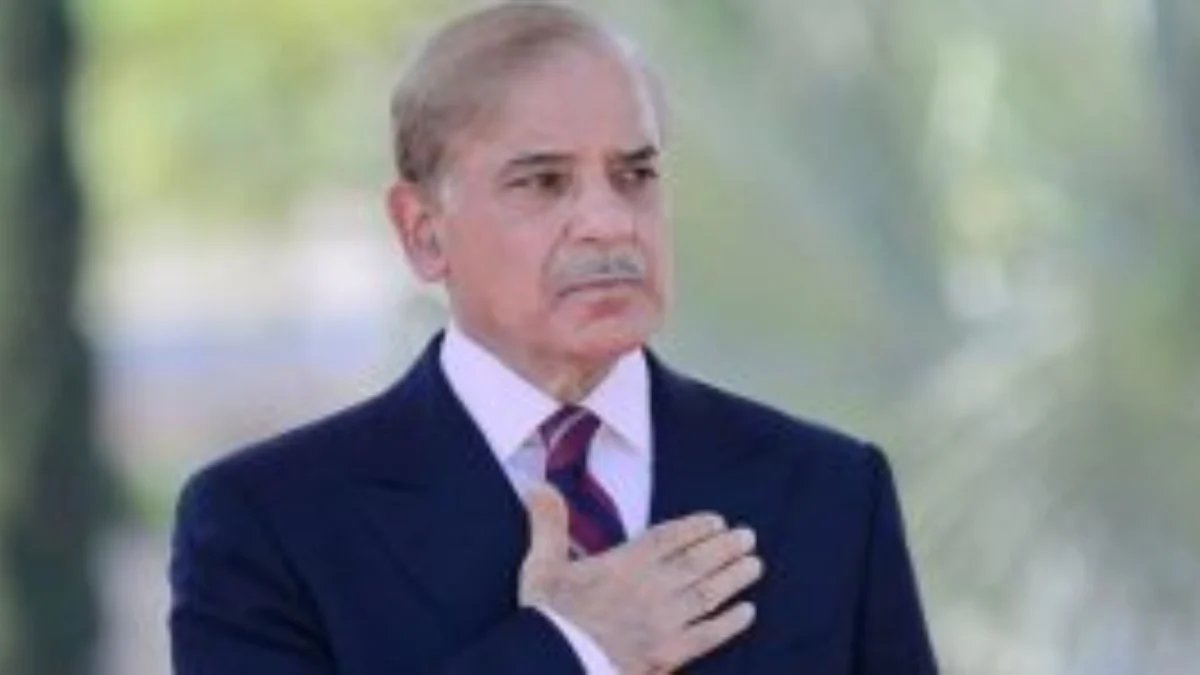
The Prime Minister of Pakistan, Shehbaz Sharif, has defended the decision to impose an emergency in Khyber Pakhtunkhwa (KP), saying the government acted in the country’s best interests and could not remain a silent spectator amid the threat of violence.
Speaking about the situation in KP, Shehbaz Sharif said militant attacks originating from Afghanistan remained a continuing concern.
He added that he had held several meetings with the former chief minister of KP in an effort to discuss the province’s security situation.
The prime minister said he had offered to provide the resources required by the provincial government and had urged political leaders to work together against terrorism.
PM accused Pakistan Tehreek-e-Insaf (PTI), the party led by former prime minister Imran Khan, of attempting to destabilize the country.
He referred to the party’s long march last year and alleged that its actions had caused harm to Pakistan.
He further claimed that the party had planned widespread violence during its latest protest campaign.
Shehbaz Sharif said a government negotiating committee had worked day and night to reach an agreement with the protesters.
According to the prime minister, the negotiations had resulted in an understanding that the long march would be called off.
He said he had also urged the former KP chief minister to cooperate with the federal government in tackling terrorism and assured him that the province would receive the resources it needed.
However, Sharif alleged that the situation changed after the draft agreement had been finalized and consultations were held with the provincial chief minister.
He claimed that the outcome of the negotiations was reversed following those consultations, adding that the opposition had no intention of settling.
“Their instructions were that no agreement should be reached and that there should be bloodshed,” he said, according to his remarks.
The prime minister said the government could not afford to ignore the potential consequences of the situation.
He added that future generations would not forgive the government for what he described as criminal negligence if it had failed to act.
He also expressed hope that the decisions taken concerning KP would produce positive results.
The prime minister praised members of the KP Advisory Council, describing them as capable individuals, and said he planned to visit the province soon to chair a meeting.