
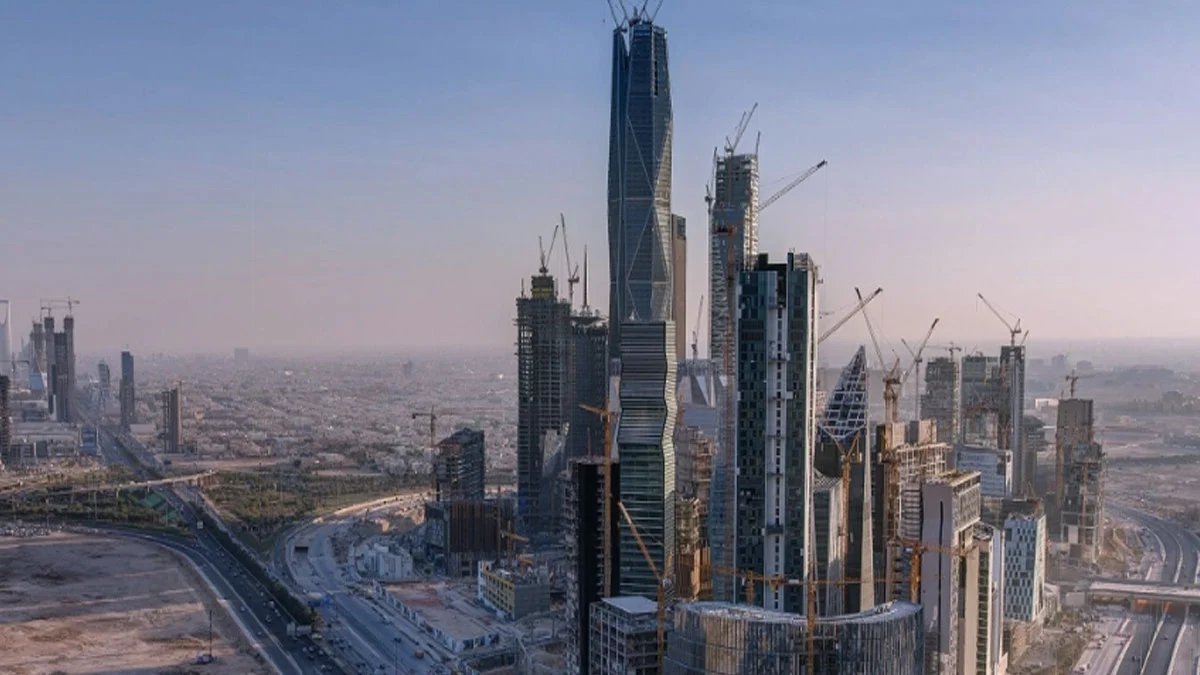
RIYADH: The National Center for Environmental Compliance (NCEC) has stepped up inspections and round-the-clock monitoring of construction sites across Riyadh as authorities intensify efforts to curb dust pollution and improve air quality in the Saudi Arabia capital.
The NCEC said fines totaling SR20 million are being imposed on construction projects found to be generating excessive dust, as part of a broader initiative to reduce the environmental impact of ongoing development and infrastructure work.
Fawaz Al-Mujthil, director of the NCEC’s Riyadh branch, said inspection campaigns are being carried out in coordination with the Royal Commission for Riyadh City and the Riyadh Mayoralty. The efforts follow the announcement of specific procedures outlined in a procedural guide published in February.
Al-Mujthil said monitoring teams are tasked with identifying environmental violations and ensuring that corrective measures are implemented before legal action is taken against projects that fail to comply with regulations.
He added that construction projects are being monitored 24 hours a day, seven days a week, allowing authorities to continuously track dust sources and respond to violations at any time.
Read more: Riyadh begins implementing design guidelines in central commercial corridor
The monitoring system also generates data to enhance the efficiency of environmental inspections and analysis, enabling authorities to focus their resources on construction sites and pollution sources with the greatest impact.
Riyadh’s air quality monitoring network currently comprises 12 fixed stations distributed across the region, along with four mobile stations.
Together, they monitor and analyze 22 air-quality components, helping authorities track pollution levels, identify breaches of approved environmental standards and take appropriate action.
The monitoring stations have also been redistributed according to their proximity to major construction and development projects, including Diriyah Gate and the Al-Murabba Project, allowing authorities to maintain closer oversight of areas where construction activity is particularly intensive.