ISLAMABAD: The Oil and Gas Regulatory Authority (OGRA) has issued a notification announcing an increase in the petrol price and diesel rate for one day, ARY News reported.
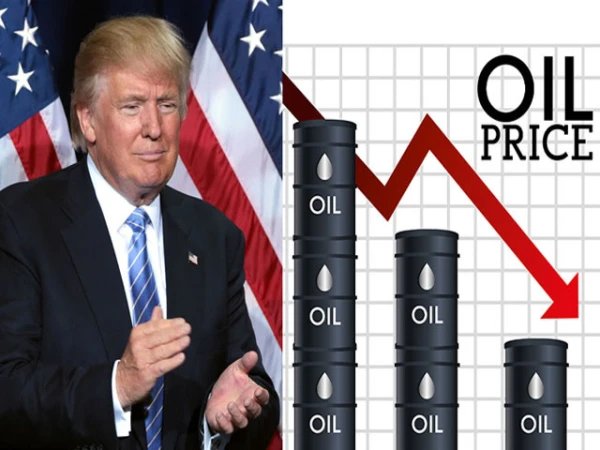
According to the notification, the petrol price has been increased by Rs3.40 per litre, taking the new petrol price to Rs367.75 per litre.
The diesel price has been increased by Rs6.72 per litre, with the new diesel price set at Rs392.67 per litre.
The revised petroleum product prices have been issued by OGRA.
Pakistan started daily reporting on petrol and diesel prices in July 2026, ditching the decades-old system of reporting every month, then 15 days and then every week, due to oil prices taking a dive and surging after the resurfacing conflict between Iran and America early in the year which threatened the Strait of Hormuz.
The government had switched to a 15-day reporting mechanism last March, later changing to weekly pricing before moving to a 7-day reporting. The OGRA now works on a seven-day moving average on global oil price reference – and revises prices on a daily basis. So now consumers will not have to wait 15 days or even a week for the revised price to kick in.
They say the objective behind the price revision is to further promote transparency in the system and bring it more in sync with market forces. The petroleum minister Ali Pervaiz Malik and information minister Attaullah Tarar were of the opinion that daily reporting would lead to more transparent system and ensure the prices change on the back of the changes in global price movements. OGRA now does not require the prior approval of the federal government for every revision in prices and it publishes the daily reference international prices on its website.
It was being treated by government sources as the last step in a gradual process of decontrol, on the lines of daily exchange rate movements, in the hope of reducing state intervention and state risk.
The government admits that the move would bring pain to consumers, but claims that the measure would ultimately strengthen the state and avoid financial crisis.