
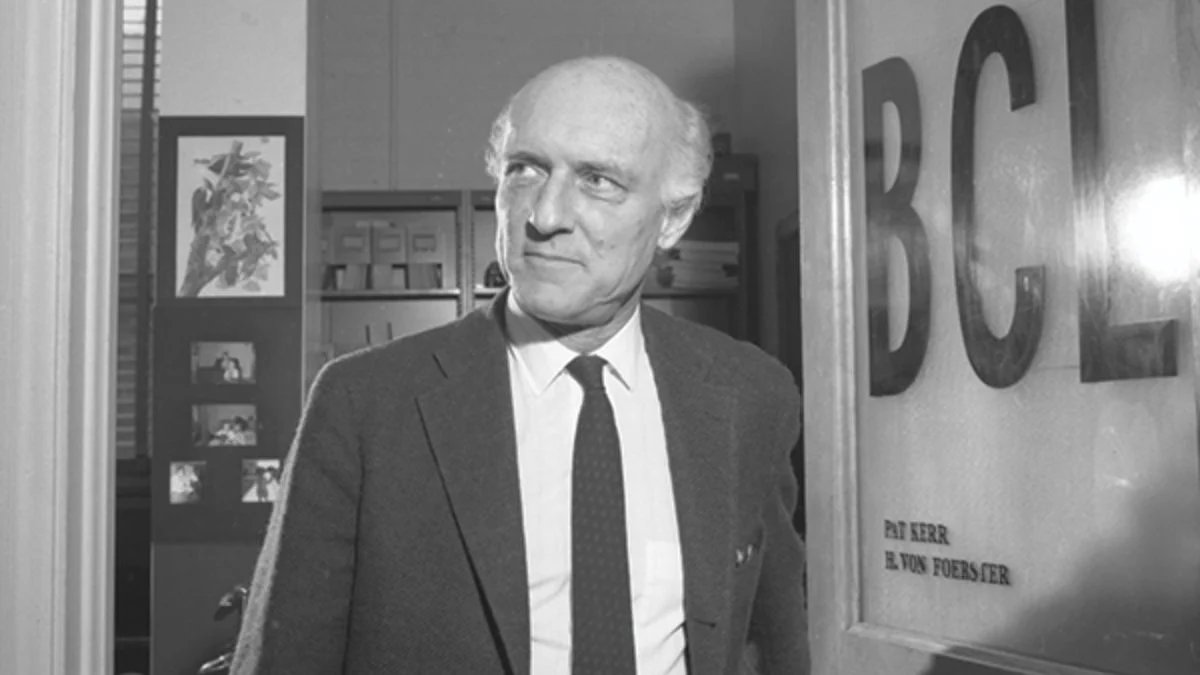
Heinz von Foerster, known as one of the founders of cybernetics, issued important warnings about artificial intelligence in an interview with Information Philosopher. Today, his thoughts stand out because they predicted many of the psychological and ethical issues we now see with modern AI.
A scientific study published in Science in 1960 is also getting new attention because it set November 13, 2026, as a key date for world population growth. Written by von Foerster, Patricia M. Mora, and Lawrence W. Amiot, the study examined a global population of about 3 billion at the time.
Their model suggested that if growth continued at the same rate, the population would mathematically reach infinity by November 2026.
However, the scientists did not mean November 13, 2026, was the actual end of humanity. In reality, birth rates dropped sharply around the world, especially in China.
According to the UN, the global population reached 8.2 billion in 2024 and is expected to peak at about 10.3 billion in the mid-2080s before slowly declining. These current projections show that the 1960 model no longer matches real population trends, and the date will not signal the end of civilization.
Von Foerster is also being discussed again because of his warnings about artificial intelligence. In his 1995 interview, he questioned why people give machines human qualities just because they can do certain tasks. He summed up his predictions in three main points:
First, he said it is risky to believe machines think or reason like people, since logical intelligence is not the same as morality, consciousness, values, or emotions.
Second, he warned that people might become emotionally dependent on machines, as we now see with AI; some users already look for emotional or romantic connections.
Third, he spoke about “trivial machines,” worrying that people would trust technology too much for automatic answers and lose their ability to think critically, be creative, and make ethical choices.
He was not a science fiction alarmist worried about robots taking over. Instead, he gave a humanistic warning that the real danger of AI is our habit of handing over human responsibility and values to machines.