

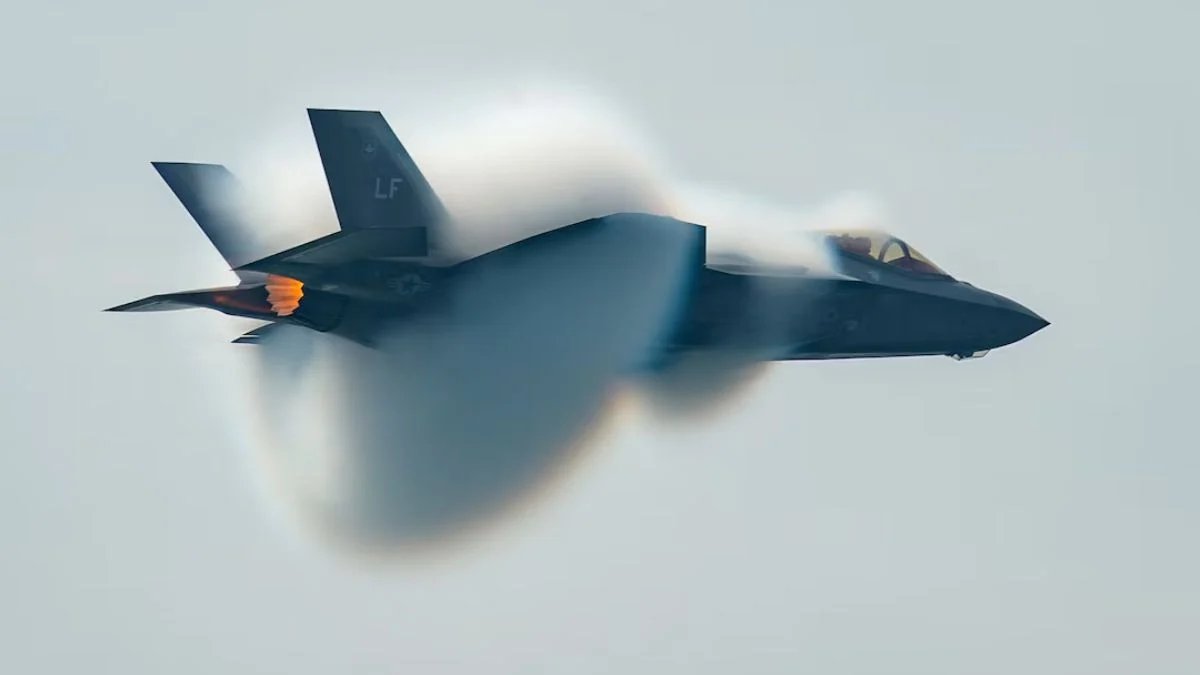
Lockheed Martin has entered an initial production and sustainment agreement with the Department of Defense for at least 850 F-35 Lightning II fighter jets over the next 10 years, they said on Thursday.
The defense contractor will self-fund at least $7 billion in initiatives that support the F-35 program, the department said in a statement.
The F-35, built with stealth technology that allows it to evade enemy detection, is considered the world’s most advanced fighter jet and is at the core of Lockheed’s aeronautics division that forms close to 40% of its quarterly revenue.
Under the agreement with the Department of Defense, which US President Donald Trump calls the Department of War, Lockheed aims to maintain annual production at 156 aircraft.
The agreement does not constitute an order but is counted as a prearranged long-term contract.
“If granted multi-year authority in the coming months, the F-35 Joint Program Office and Lockheed Martin will work to finalize contract terms, pricing and schedules through a formal contract award,” the company said.
The agreement also covers international orders for the F-35, as well as initial spares and modification kits, Arlington-based Lockheed said in a statement.
“We have fundamentally changed how we stabilize the American defense industrial base to produce at speed and scale,” said Under Secretary of Defense Michael Duffey.
“This agreement with Lockheed Martin proves it. By aligning financial incentives with actual performance, we are ensuring our warfighters are equipped with the lethal capabilities they need to fight and win.”
Lockheed and its peers across the US have benefited from increased global defense spending as geopolitical conflicts remain unabated.
Lockheed estimates the agreement will support 317,000 US jobs and generate nearly $79 billion in annual economic activity over the next decade.
It also expects the arrangement to lower production costs and ease supply-chain constraints from raw materials to finished parts.