

KARACHI: The Pakistani rupee (PKR) remained fairly steady versus the US dollar on Monday, staying in the vicinity of the 277.4-277.5-level in the interbank market, even as the UK pound was just above the 371-level, when the currency markets shrugged off some renewed prospects of diplomacy over the Strait of Hormuz versus a war-charged oil shock that has kept global oil prices nearly 65 percent above prewar levels.
The State Bank of Pakistan’s (SBP) revaluation rates for 2 November were: dollar flat on the day market data was indicative at 277.44 to dollar, firmer by a marginal 0.28 percent from the previous session, The pound was tracked the pound’s firm tone against PKR at around 371.2, and the Euro was also firm around 309.2 – its resilience entirely due to the fact Europe, not just Pakistan, is footing an energy bill that German officials said have already crossed the €100bn mark for this year.
| Currency | SBP rate vs PKR (2 Nov 2026, indicative) |
|---|---|
| US Dollar | 277.44 |
| UK Pound | ~371.2 |
| Euro | ~309.2 |
| Saudi Riyal | ~74.0 |
| UAE Dirham | ~75.3 |
| Canadian Dollar | ~200.0 |
| Australian Dollar | ~194.7 |
| Japanese Yen | ~1.76 |
The Gulf pair – the Saudi riyal close to 74 and the UAE dirham closer to 75.3 – hardly moved, and there was a reason for that: they’re both pegged to the dollar, and so they track it lock-step. Which is also why many Pakistani families pay so much attention to their prices – even more than to the dollar.
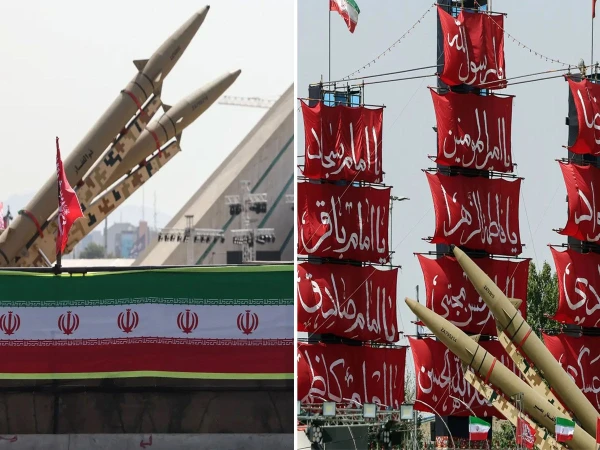
It is about timing. Eight months into the US-Israeli war with Iran that began in late February, October had the highest number of attacks on ships passing through the Strait of Hormuz since the hostilities kicked off and oil prices have remained above US$100 a barrel, rising almost to $117. On the same day, Brent fell nearly 4 percent to nearly $109 after reports that Washington is willing to give diplomacy more room, the talks brokered by Qatar. However, the very same analysts warn that the nearly billion barrels of global inventories and the set of diesel markets that the International Energy Agency described as tight “well into next year” have built a floor under the prices even if there is a deal.
For Pakistan, the risks are channelled in three ways. One is through the import bill: the country imports the lion’s share of its crude and much of its LNG from the Gulf, and the disruption of the war – including damage to Qatar’s Ras Laffan complex that slashed its LNG output by roughly 17 percent – has kept fuel prices high. A more expensive dollar and a more expensive oil jointly put pressure on reserves and the trade deficit. Two is through safe-haven flows: dollar pricing gained upward momentum in the early days of the war, as emerging-market currencies tightened their grips on the real, a classic pattern that spurs hedging and dollar-preemptive buying in Pakistan.