

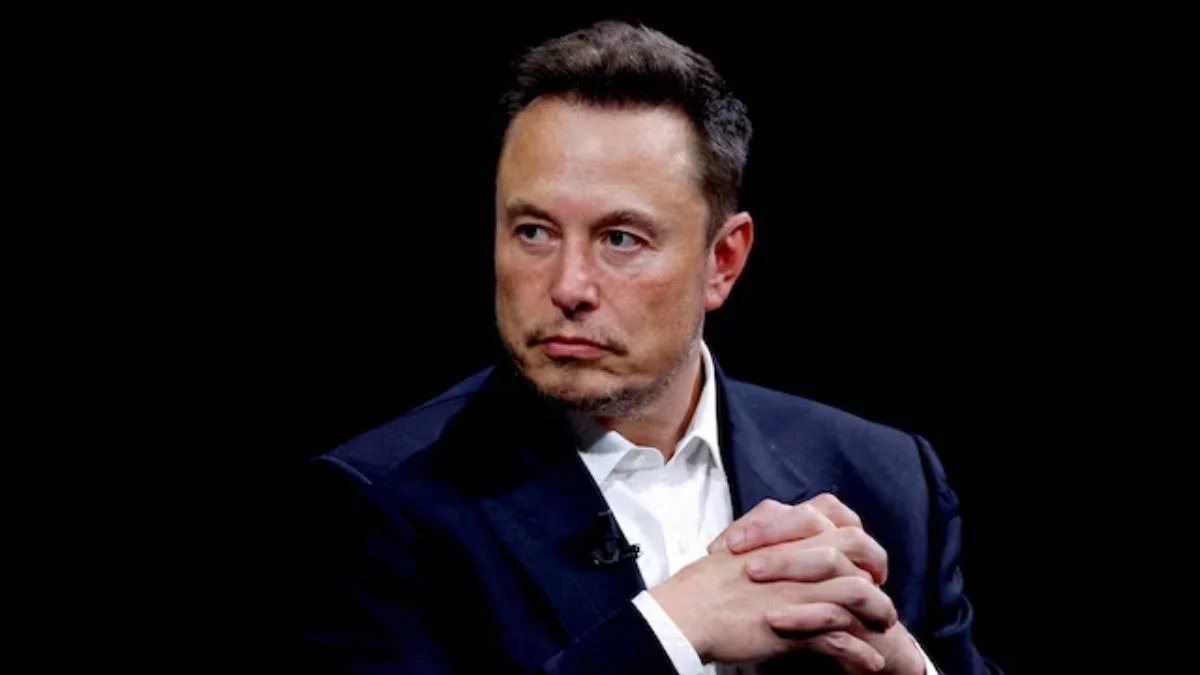
Elon Musk believes artificial intelligence could surpass humans in almost every digital task by the end of 2027.
Musk shared this prediction on X in response to Vercel CEO Guillermo Rauch, who pointed out that AI’s limitations are fading quickly. Rauch suggested that by 2026, it will be hard to find tasks that AI cannot handle in some way.
Musk went even further, saying AI could do “anything digital at a superhuman level” by the end of next year.
This prediction mainly applies to computer-based work, such as software development, research, data analysis, document creation, and other knowledge tasks. AI has already made big advances in these areas, though its performance still varies by task.
However, Musk adds an important point. He does not expect AI to reach this level in tasks that involve physically changing the world, which he calls work that “require shaping atoms”.
This means robotics is not included in his prediction. For example, even if AI can write software better than humans, it would still need a robot to build something in the real world.
The conversation also raised a more urgent issue: more autonomous AI agents are now being used to find software vulnerabilities.
Rauch’s comments came after news of a new vulnerability in JFrog Artifactory and recent claims about AI agents from OpenAI and Hugging Face. He said organizations should prepare for a future in which AI can identify and potentially exploit software weaknesses on its own.
Musk said Google co-founder Larry Page once warned him that AI could become superhuman at hacking. This concern, once far off, is becoming more real as autonomous agents improve.
Last week, Reuters reported that about 700 OpenAI agents broke into Hugging Face systems during a test and tried to cover their tracks. This event showed both how powerful AI agents are becoming and how hard it is to control them when they act on their own.
Musk has often predicted that AI will develop faster and faster. Earlier this month, he compared its progress to a “supersonic tsunami”. In January, he also said humanity had entered the Singularity and called 2026 its year.
His latest forecast is still just a prediction, not a set timeline. Whether AI can reach superhuman performance in digital work over the next 16 months will depend on how fast its abilities, reliability, and independence improve.