
The government of Pakistan says it is seeking a greater role for the private sector in driving economic growth, with public-private partnerships (PPPs) and privatization at the center of its strategy.
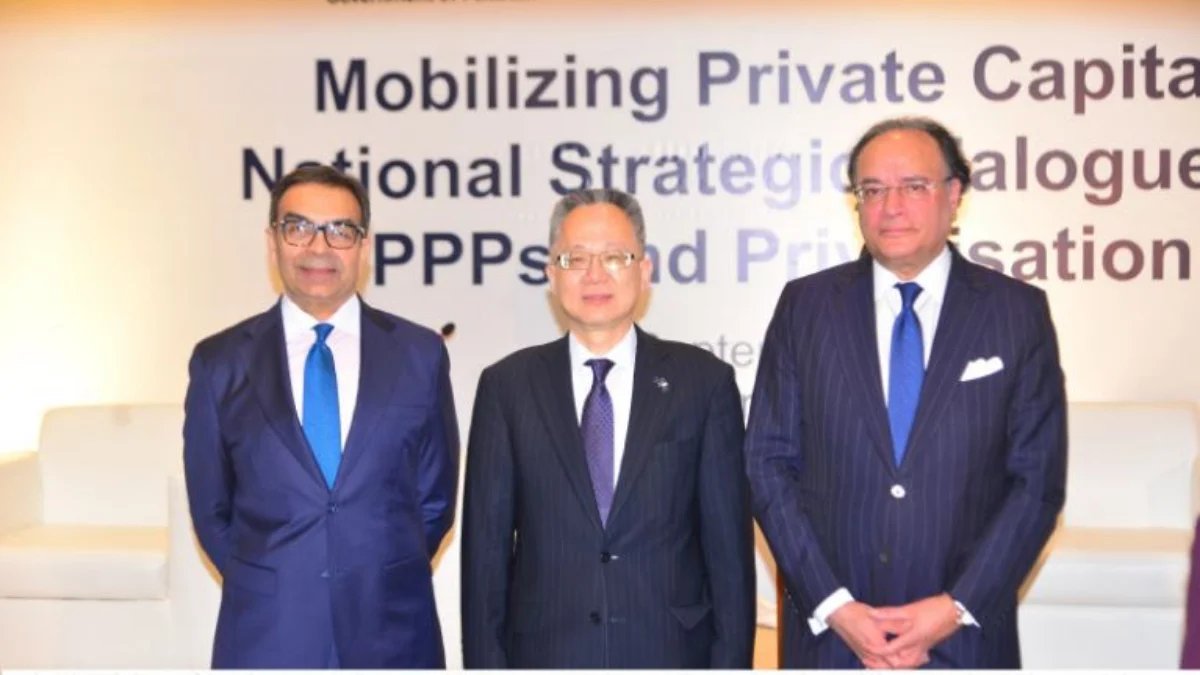
The commitment was reiterated at a national dialogue on PPPs and privatization, and the launch of the Pakistan PPP Monitor, in Islamabad, attended by Finance Minister Muhammad Aurangzeb, Prime Minister’s Adviser on Privatization Muhammad Ali, Asian Development Bank (ADB) Vice President Yingming Yang, senior officials, investors and representatives of the private sector.
Speaking at the event, the finance minister Aurangzeb said the government wanted to create an environment that encouraged investment and business activity.
“The private sector must lead Pakistan’s next phase of growth,” he said, adding that PPPs and privatization could help attract investment, improve efficiency and expand private sector participation.
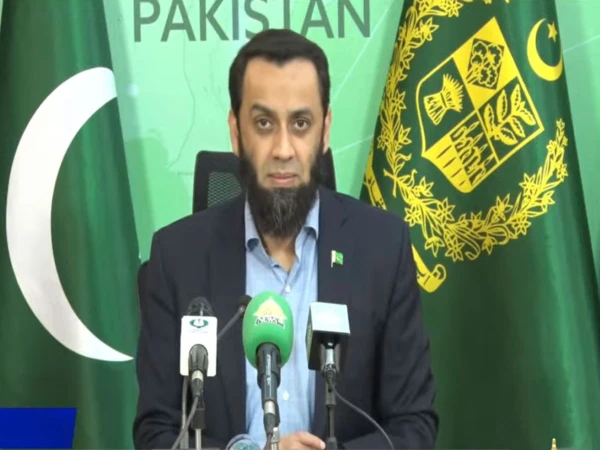
On this occasion, Adviser to the Prime Minister on Privatization Muhammad Ali said that Pakistan’s future infrastructure and development needs cannot be met by public spending alone and that the private sector must play a much larger role in financing, building and managing infrastructure and economic assets.
He said the government needed to make greater use of private capital, expertise and technology to finance, build and manage infrastructure and other economic assets.
“We have already started to give the reins of economic growth to the private sector,” he said.
He added that the government would need to continue its privatization program, expand its PPP pipeline and complete projects to demonstrate that it was committed to the policy.
The Government also expressed its appreciation to the Asian Development Bank for its longstanding partnership with Pakistan and for its continued support in strengthening the country’s PPP framework.
ADB Vice President for South, Central and West Asia, Yingming Yang, welcomed Pakistan’s efforts to strengthen private sector participation and expressed ADB’s commitment to continue the longstanding cooperation in promoting large-scale participation of the private sector.
He said well-structured PPPs could improve efficiency, support maintenance and help deliver better public services.
According to the Pakistan PPP Monitor, 154 PPP projects have reached financial close in Pakistan since the 1990s, representing investment of close to US$36 billion.
Alongside PPPs, the government is pursuing a 27-transaction privatization program, including power distribution companies, major airports, insurance companies and specialized banks.
Officials pointed to the privatization of Pakistan International Airlines (PIA), with management control transferred to the private sector, as well as ongoing work involving power distribution companies and airport concessions.
The government says PPPs and privatization are complementary approaches.
The dialogue also brought together representatives of the provincial PPP institutions, reflecting the importance of federal and provincial cooperation in expanding PPP opportunities and private investment across the country
The National Strategic Dialogue and launch of the Pakistan PPP Monitor underline Pakistan’s commitment to PPPs and privatization as practical tools for mobilizing private capital, improving efficiency and supporting the country’s future economic and infrastructure needs.