

Prescriptions for GLP-1 weight-loss drugs among children under 12 in the U.S. have risen more than 300-fold since 2019 as doctors seek new, effective treatments for younger patients with obesity, according to a study published on Friday.
The study, which included more than 3.5 million children aged between eight and 11 years with obesity but not diabetes, found that prescriptions for GLP-1 weight-loss drugs rose from 0.03% in 2019 to 9.3% as of June.
Although the drugs are not approved for use in children under 12 years, clinical guidelines allow the medications to be used for obesity in children as young as eight years old in certain cases.
94% of the children prescribed GLP-1s had severe obesity, and about 65% had at least one related condition, such as high cholesterol, high blood pressure, and sleep apnea.
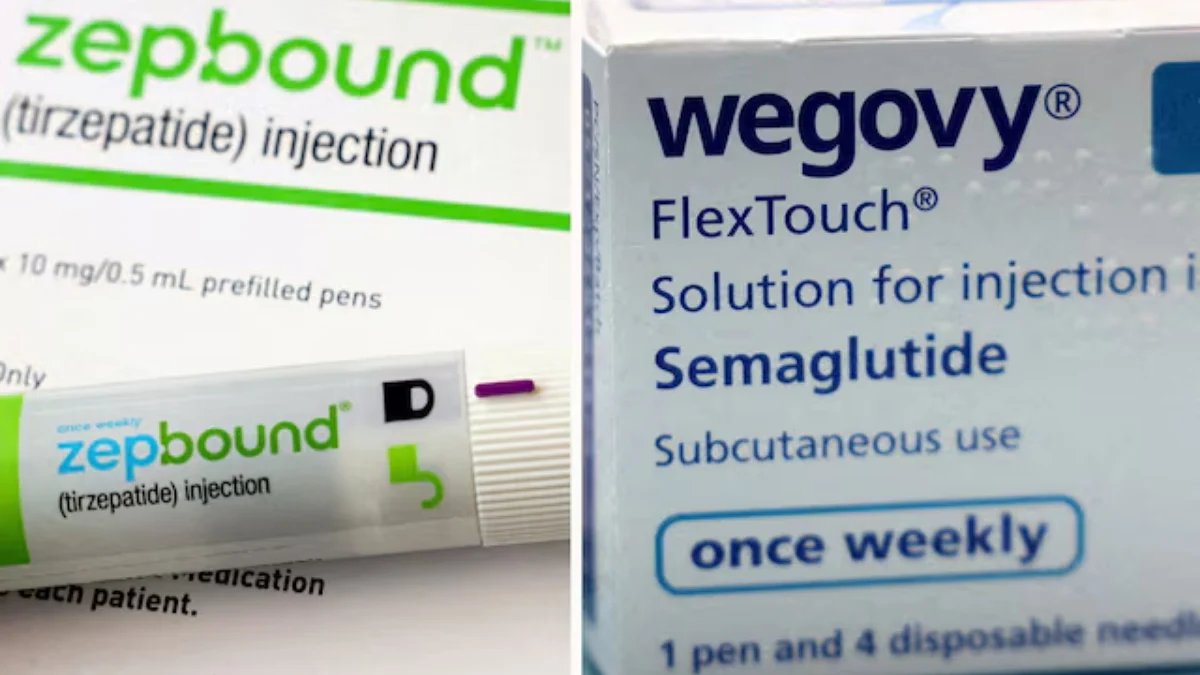
Overall, 20,282 children received GLP-1 drugs during the study period – most often, Novo Nordisk’s Wegovy. Doctors also prescribed Novo’s Saxenda and Eli Lilly’s Zepbound.
While the absolute numbers of children under 12 receiving GLP-1 treatment is still low, the study shows that GLP-1 use is accelerating rapidly, said lead investigator and obesity medicine specialist Dr. Babak Orandi of NYU Langone Health.
Orandi added that long-term safety monitoring is needed to ensure the drugs remain safe and effective.
Children living in higher-income communities were 55% more likely to be prescribed the medicines, suggesting emerging disparities in access, according to the study published in the journal Pediatrics, opens new tab.
“Physicians and health policymakers alike have a responsibility to ensure … these valuable and sometimes costly treatments become available to more than those who have access to health insurance and can afford to visit pediatric clinics,” said Allan Massie, co-author of the study and associate professor of surgery at NYU Grossman School of Medicine.
Researchers used Epic Cosmos, a national electronic health records database encompassing more than 300 million U.S. patients. Epic had no role in the study.