

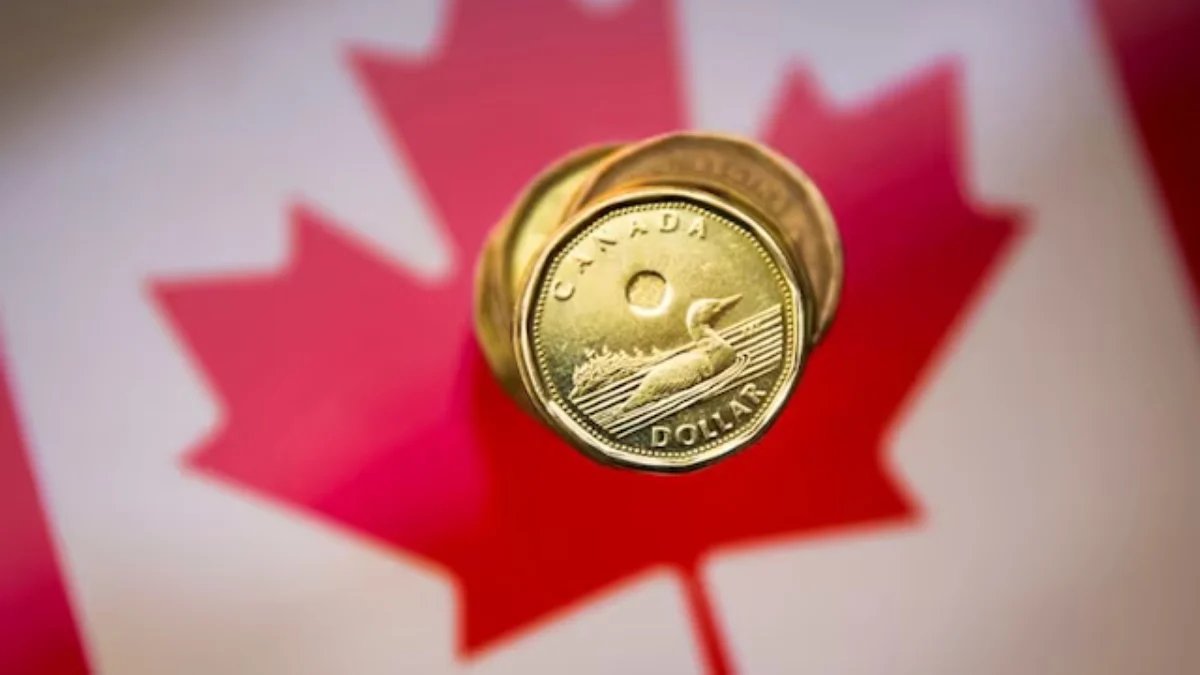
The Canadian dollar weakened to a 12-day low against its U.S. counterpart on Monday and bond yields rose, as domestic inflation data met expectations and after the greenback notched broad-based gains ahead of a Federal Reserve interest rate decision this week.
The loonie was trading 0.3% lower at 1.3915 per U.S. dollar, or 71.86 U.S. cents, after touching its weakest intraday level since September 2 at 1.3929.
“The driver is clearly a stronger U.S. dollar and that has been encouraged by the shift in expectations on Fed policy,” said Marc Chandler, chief market strategist at Bannockburn Global Forex LLC.
The U.S. dollar rose across the board as conflict in the Middle East pushed up oil prices and sent investors towards the safe-haven currency, and as investors bet the Fed would hike on Wednesday for the first time in more than two years.
“I think that the U.S.-Canadian trade conflict is a negative as well,” said Chandler, adding that investors doubted a trade deal could come soon as was suggested on Saturday by U.S. President Donald Trump.
Canadian Prime Minister Mark Carney welcomes dozens of global investors to Toronto this week, hoping to lure investments for more than 160 projects that he says are key to steering Canada’s economy through a trade war with the United States.
Canada’s consumer price index rose 3% year-over-year in August. That matched the previous month’s pace and economists’ forecasts but left inflation well above the Bank of Canada’s 2% target.
BoC Governor Tiff Macklem has said that policymakers were prepared to raise borrowing costs multiple times if inflation remained too high.
Canadian bond yields rose across a flatter curve. The 2-year was up 2.7 basis points at 3.384%, after earlier touching its highest level since August 2024 at 3.437%.