
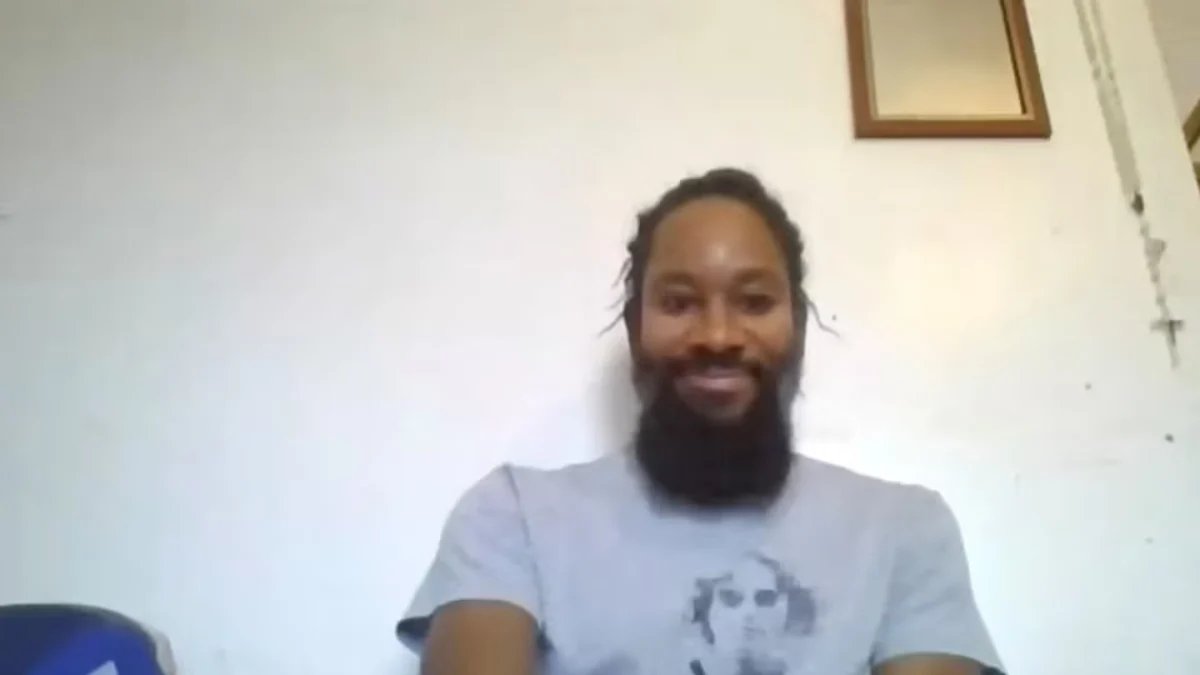
UK Prime Minister Andy Burnham called on Saturday for reflection following the death of a Black academic, Jason Arday, accused of plagiarism in a case that has prompted criticism of the University of Cambridge and the media.
Jason Arday, a sociology professor who frequently appeared in British media, was found dead on Friday aged 41, days after resigning from the university. Police said his death was unexpected but was not being treated as suspicious.
“It’s a tragedy on so many levels, but particularly … for everybody who knew Jason, his family obviously, his friends,” Burnham told broadcasters.
“It’s not a moment for any rushing to judgement. It’s a moment for reflection, I would say, reflecting on how things came to this.”
Arday resigned on August 5 after a former Cambridge researcher accused him of plagiarism in his PhD thesis. He denied the allegation but acknowledged making mistakes.
CAMBRIDGE UNIVERSITY UNDER FIRE
Arday’s accounts of his childhood struggles with autism and his sporting achievements — including a claim to have run 30 marathons in 35 days — have also been challenged.
His family said on Friday that he had been the victim of misinformation and harassment.
Cambridge University pledged this week, before Arday’s death, to investigate the circumstances of his appointment and his academic work.
The case has fuelled debate over the university’s handling of the allegations. Some critics have argued it was so keen to hire a Black academic that it failed to check Arday’s credentials sufficiently and did not respond appropriately when the plagiarism claims emerged.
“The unthinking culture warriors who have supported (Arday) unconditionally share responsibility with his racist critics for making life harder for Black academics and dragging UK higher education deeper into the mire,” Paul Gilroy, a University of London sociology professor, was quoted as saying by the Guardian newspaper on August 8.
Simon Baron-Cohen, a Cambridge professor and supporter of Arday, said Arday had spoken to him hours before his death about his distress over media coverage and criticism on social media.
“He was being subjected to relentless scrutiny, including ridicule, discrediting absolutely every detail of his life,” Baron-Cohen told BBC radio on Saturday. “And he wasn’t coping with the loss of his career, the loss of his reputation, and he felt he couldn’t go on.”
Arday, as a vulnerable person since childhood, deserved safeguarding and support, he said, adding investigations into the case should assign accountability “at lots of levels”.